

Functional Mind: A Step-by-Step Guide to Creating Lasting Change
Why Mindset Matters
Your thoughts, beliefs, habits, environment, and daily choices all influence your health. Many people focus solely on nutrition, exercise, or supplements while overlooking one of the most powerful drivers of wellness: the mind.
Functional Mind takes a whole-person approach to understanding how your mindset, behaviors, lifestyle, and environment work together to support—or hinder—your health goals.
The good news? Small, intentional changes can create meaningful improvements over time.
Step 1: Increase Awareness

You cannot change what you do not recognize.
Before making changes, take time to observe your current patterns without judgment.
Ask Yourself:
- How do I feel physically each day?
- What situations create stress?
- What habits support my health?
- What habits work against my goals?
- When do I feel my best?
- When do I struggle the most?
Action Step
For one week, keep a simple journal and track:
- Sleep
- Energy levels
- Mood
- Stress levels
- Food choices
- Physical activity

Look for patterns rather than perfection.
Step 2: Identify Root Contributors
Many health challenges are connected to underlying factors rather than a lack of willpower.
Common contributors include:
- Chronic stress
- Poor sleep
- Nutritional imbalances
- Lack of movement
- Environmental stressors
- Negative self-talk
- Unrealistic expectations
- Emotional triggers
Action Step
Write down three factors that may be contributing to your current health challenges.
Ask:
“What is making this difficult?”
Instead of:
“Why can’t I do better?”
Step 3: Evaluate Your Environment

Your environment often shapes your behaviors more than motivation does.
Consider:
Home Environment
- Is healthy food accessible?
- Are there distractions affecting sleep?
- Is your space organized and supportive?
Work Environment
- Are stress levels manageable?
- Do you have opportunities for movement?
- Are boundaries needed?
Digital Environment
- How much time do you spend on social media?
- Does your online content support or drain your well-being?
Action Step
Choose one environmental change that would make healthy choices easier.
Examples:
- Place a water bottle where you can see it.
- Remove unhealthy snacks from visible areas.
- Create a bedtime routine.
Step 4: Understand Your Triggers
Triggers are situations, emotions, thoughts, or events that influence behaviors.
Common triggers include:
- Stress
- Fatigue
- Boredom
- Loneliness
- Anxiety
- Overwhelm
- Celebrations
- Certain people or situations
Action Step
When you notice an unwanted habit, ask:
- What happened before this?
- What was I feeling?
- What was I thinking?
Identifying triggers is the first step toward changing responses.
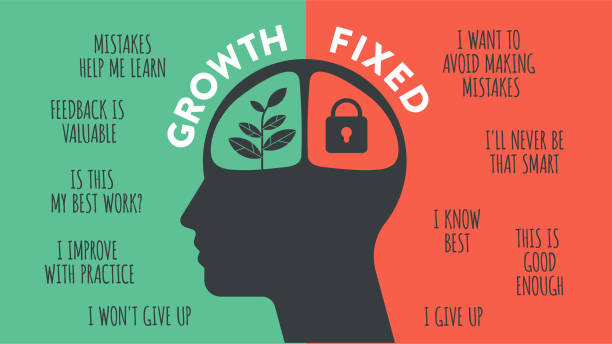
Step 5: Reframe Limiting Beliefs
Many people carry beliefs that create barriers to progress.
Examples:
Instead of:
- “I always fail.”
- “I have no self-control.”
- “I can never stay consistent.”
Try:
- “I am learning new skills.”
- “Progress is built through practice.”
- “Small improvements matter.”
Action Step
Write down one negative thought you frequently have and create a healthier, more balanced replacement.
Step 6: Focus on Small Wins
Major transformations are built through small daily actions.
Trying to change everything at once often leads to frustration and burnout.
Examples of small wins:
- Drinking one extra glass of water
- Walking for 10 minutes
- Going to bed 30 minutes earlier
- Preparing one healthy meal
- Practicing five minutes of mindfulness

Action Step
Choose one habit that feels achievable this week.
Ask yourself:
“Can I consistently do this?”
If the answer is no, make it smaller.
Step 7: Build Healthy Routines
Healthy habits become easier when attached to existing routines.
Examples:
After brushing your teeth:
→ Practice gratitude.
After lunch:
→ Take a short walk.
Before bed:
→ Read instead of scrolling on your phone.
Action Step
Choose one new healthy habit and connect it to an existing daily routine.
Step 8: Support Stress Resilience
Stress is a normal part of life, but chronic stress can affect physical and emotional wellness.
Healthy stress-management practices may include:
- Deep breathing
- Prayer or meditation
- Walking outdoors
- Exercise
- Journaling
- Spending time with loved ones
- Hobbies and recreation
Action Step
Create a list of five healthy activities that help you feel calm and refreshed.
Use them regularly rather than waiting until stress becomes overwhelming.
Step 9: Practice Self-Compassion

Many people speak to themselves more harshly than they would speak to a friend.
Growth is rarely a straight path.
Expect:
- Setbacks
- Challenges
- Imperfect days
These experiences do not erase progress.
Action Step
The next time you make a mistake, ask:
“What can I learn from this?”
instead of
“Why did I fail?”
Step 10: Review and Adjust
Health and wellness are ongoing journeys.
Every month, review:
- What is working?
- What feels difficult?
- What has improved?
- What needs adjustment?
The goal is not perfection.
The goal is creating a lifestyle that supports long-term well-being.
Action Step
Schedule a monthly wellness check-in with yourself to reflect on your progress and set one new goal.
The Functional Mind Framework
AWARE
Recognize patterns, habits, and challenges.
INVESTIGATE
Explore potential root contributors.
RESET
Create supportive environments and routines.
GROW
Develop healthier thoughts, habits, and behaviors.
THRIVE
Build sustainable wellness through consistent action.
Remember
Your mindset influences your choices. Your choices influence your habits. Your habits influence your health.
Small, intentional actions practiced consistently can lead to meaningful and lasting change.
Health is not about being perfect. It is about making progress toward becoming the healthiest version of yourself—physically, mentally, emotionally, and spiritually.
Educational Disclaimer
This educational resource is intended for general wellness education and lifestyle guidance only. Functional Mind, Functional Lifestyle, Functional Nutrition, and Functional Health services focus on health promotion, behavior change, lifestyle optimization, and wellness coaching principles- in addition to my own personal journey towards health. These services do not diagnose, treat, cure, or prevent any disease and are not a substitute for medical care, psychiatric care, psychological counseling, or psychotherapy. Always consult your physician or other qualified healthcare professional regarding medical concerns, mental health conditions, or treatment decisions. If you are experiencing a medical or mental health emergency, call 911 or seek immediate emergency care.